
| Manufacturer | Quorum Books |
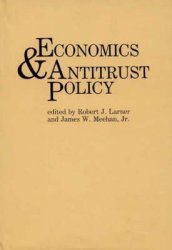
As the economists and lawyers contributing to this volume demonstrate, an important element of the Reagan Revolution has been a fundamental shift in antitrust policy and enforcement away from the focus on market structure during the 1960s and early 1970s toward a greater emphasis on the effects of business conduct on economic efficiency and consumer welfare.
This shift, caused both by a marked change in the political climate and changes in the thinking and research output of economists, has had an enormous impact on the volume and substance of antitrust activity during the 1980s. The articles collected here--each written especially for this volume--assess these changes in antitrust activity in key policy areas: mergers, vertical restraints, monopoly, and strategic behavior.
The authors examine particularly the impact of the change in antitrust enforcement and policy on social welfare. They point out where changes have been beneficial, evaluate whether further changes in policy or law are desirable, and probe unresolved issues, such as whether current policy pays too little attention to the possible strategic or anticompetitive aspects of some forms of business conduct.
Taken together, these essays offer a multifaceted explanation of the ways in which economics has contributed to changes in antitrust policy and law. By providing a more thorough understanding of developments in industrial economics during the last 30 years, the authors also provide lawyers, economists, business executives, and students of business administration with new insights into possible future trends in antitrust policy and law--and their impact on the structure of American businesses and markets.
Review: ?Written in memory of the late Michael Mann, this volume includes an essay reviewing his contributions as an economist to antitrust, but it also contains a valuable summary of the changes in economic thought and its influence in court decisions and public policy in this area. In separate essays several economists deal with the evolution of the structure conduct-performance paradigm, the Chicago school attack on it, and the new industrial organization paradigm emphasizing behavior, particularly strategic business behavior, in analyzing business conduct in imperfectly competitive markets.
Two practicing antitrust attorneys address the political content and the ability of antitrust laws to accommodate changing emphases in economic analysis. This book should be available in libraries supporting courses in industrial organization and antitrust policy, specifically collections designed for use by students in economics (undergraduates and graduates), law, and business.?-Choice
 Related Products
Loading similar products...

Stay informed about the best deals and price drops. Choose which notifications you'd like to receive from PriceCheck.


