Sign in with Google
Or, sign in using email/password
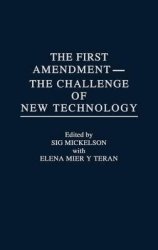

The First Amendment to the Constitution, assuring freedom of speech and freedom of the press, was ratified nearly 200 years ago. Since that time, the amendment has maintained its tradition off freedom while accomodating the introduction of technologies that the framers of the Constitution could not have envisioned, including the telephone, radio and television, and the communications satellite.
Recent dramatic technological advances in communications, however, will subject the First Amendment to stresses exceeding anything in its past history. The First Amendment--The Challenge of New Technology is a collection of papers by leaders in the communications field examining the flexibility of the First Amendment in coping with the miracles of modern communications technology.
The outcome of the San Diego Communications Council Conference on August 30, 1987, this book includes the contributions of a broad mix of talents and experiences: practitioners in newspaper, magazines, broadcasting and cable; regulators and lawmakers, communications theorists and educators. The contributors study a wide range of First Amendment issues, including the rights of the media, national security, and the rights to privacy.
Students, scholars, and practitioners of communications or constitutional law, as well as policymakers or anyone interested in the future of freedom of speech will find The First Amendment -- The Challenge of New Technology an invaluable resource. Review: ?. . . this is a light, breezy afternoon browse that might, just maybe, strike a responsive and provocative chord.?-Perspective
 Related Products
Loading similar products...

Stay informed about the best deals and price drops. Choose which notifications you'd like to receive from PriceCheck.

Free easy-to-follow course for anyone in South Africa who wants to learn how to start a digital business.