Sign in with Google
Or, sign in using email/password
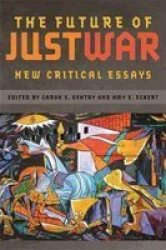

Just War scholarship has adapted to contemporary crises and situations. But its adaptation has spurned debate and conversation a method and means of pushing its thinking forward. Now the Just War tradition risks becoming marginalized. This concern may seem out of place as Just War literature is proliferating, yet this literature remains welded to traditional conceptualizations of Just War.
Caron E. Gentry and Amy E. Eckert argue that the tradition needs to be updated to deal with substate actors within the realm of legitimate authority, private military companies, and the questionable moral difference between the use of conventional and nuclear weapons. Additionally, as recent policy makers and scholars have tried to make the Just War criteria legalistic, they have weakened the tradition s ability to draw from and adjust to its contemporaneous setting.The essays in The Future of Just War seek to reorient the tradition around its core concerns of preventing the unjust use of force by states and limiting the harm inflicted on vulnerable populations such as civilian noncombatants.
The pursuit of these challenges involves both a reclaiming of traditional Just War principles from those who would push it toward greater permissiveness with respect to war, as well as the application of Just War principles to emerging issues, such as the growing use of robotics in war or the privatization of force.
These essays share a commitment to the idea that the tradition is more about a rigorous application of Just War principles than the satisfaction of a checklist of criteria to be met before waging just war in the service of national interest. Review: Whether it is the runaway use of drones, the lack of accountability of private security firms, or the invention of new categories like 'postbellum' ethics, the scope and significance of the Just War tradition has been trampled in recent U.S. thinking and policy.
Professors Gentry and Eckert and their contributors reassert it smartly, fairly, and often courageously in this volume. Every American ethicist, cleric, international-affairs expert, policymaker, and soldier should read this book.--George A. Lopez Hesburgh Chair in Peace Studies, Kroc Institute, University of Notre Dame
 Related Products
Loading similar products...

Stay informed about the best deals and price drops. Choose which notifications you'd like to receive from PriceCheck.

Free easy-to-follow course for anyone in South Africa who wants to learn how to start a digital business.